
Fungal infections of the ear canal, though less common than bacterial infections, pose a significant health concern due to their persistent symptoms and potential complications. While most cases of ear infections are caused by bacteria, rare fungal infections—also known as otomycosis—require careful attention, accurate diagnosis, and specialized treatment. These infections occur when fungi colonize the external auditory canal, often thriving in warm, humid environments. In 2026, increased awareness and advanced diagnostic methods have improved the identification and management of these uncommon but impactful infections.
The ear canal is naturally lined with skin that protects against infections, but this delicate balance can be disrupted by environmental factors, underlying health conditions, or previous antibiotic use. Fungi such as Aspergillus, Candida, and Penicillium are among the organisms responsible for rare ear canal infections. While these infections are uncommon, they can cause discomfort, inflammation, and in some cases, hearing difficulties. Timely recognition of symptoms is crucial, as untreated fungal infections can lead to chronic inflammation and, in rare instances, more severe complications affecting the middle ear.
Patients with weakened immune systems, chronic ear conditions, or a history of excessive moisture exposure are at higher risk. Frequent swimming, humid climates, and prolonged use of ear devices such as headphones or hearing aids can contribute to fungal growth. Additionally, individuals who use ear drops or antibiotics excessively may disrupt the natural microbial balance, creating an environment favorable for fungi. In 2026, healthcare professionals emphasize both preventive care and early detection, particularly for individuals in high-risk categories.
Causes and Risk Factors
The primary cause of rare fungal infections in the ear canal is overgrowth of opportunistic fungi. Warm, moist, and occluded environments create ideal conditions for fungal colonization. Poor ear hygiene or repeated introduction of contaminated objects into the ear can also increase the risk. In some cases, fungal spores are introduced from environmental sources such as swimming pools, hot tubs, or damp surroundings. Preexisting skin conditions like eczema or dermatitis may further compromise the protective barrier of the ear canal, making infection more likely.
Antibiotic overuse is another significant contributor. While antibiotics target bacterial infections, they can disrupt the natural microbial balance in the ear canal, allowing fungi to proliferate unchecked. Similarly, corticosteroid use can suppress local immune responses, increasing susceptibility. Immune-compromised individuals, including those with diabetes, HIV, or undergoing chemotherapy, are particularly vulnerable to rare and persistent fungal ear infections. Awareness of these risk factors enables both prevention and early intervention.
Environmental and lifestyle factors also play a critical role. Prolonged exposure to humid climates, water sports, or environments with poor ventilation increases moisture retention in the ear canal, promoting fungal growth. Occlusive devices, such as earplugs, hearing aids, or headphones, can trap moisture and create localized conditions favorable to fungi. Understanding these risk factors is essential for both clinicians and patients seeking to prevent and manage infections effectively.
Symptoms and Diagnosis
Rare fungal infections in the ear canal present with a range of symptoms, often resembling common bacterial infections. Patients may experience itching, discomfort, or a persistent sensation of fullness in the ear. Pain, mild swelling, and redness can occur, particularly when the infection progresses. Discharge is usually present, varying from watery to thick and sometimes with a characteristic musty odor. In severe cases, hearing may be temporarily impaired due to blockage or inflammation of the ear canal.
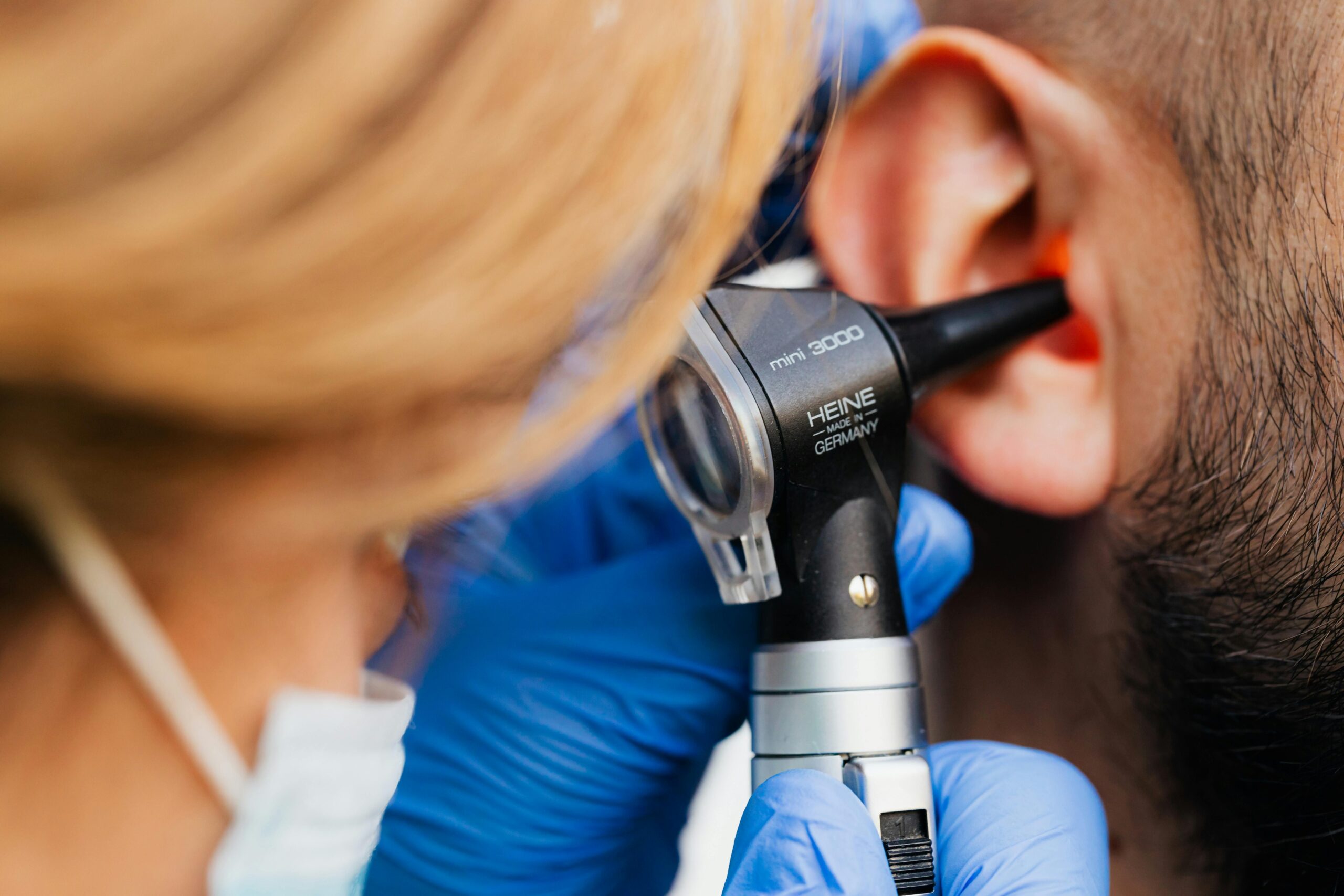
Accurate diagnosis in 2026 relies on a combination of patient history, clinical examination, and laboratory testing. An otoscopic examination can reveal fungal growth, often visible as black, white, or gray colonies. Swabs taken from the ear canal may be cultured to identify the specific fungal species, guiding targeted treatment. In some cases, imaging may be required if the infection appears to involve the middle ear or if symptoms persist despite standard therapy. Early and precise diagnosis is crucial to prevent chronic complications and ensure effective management.
Recognizing the differences between fungal and bacterial ear infections is essential. While bacterial infections may respond quickly to antibiotics, fungal infections often persist or worsen with inappropriate treatment. Patients presenting with prolonged ear symptoms, especially after antibiotic use or in humid conditions, should be evaluated for otomycosis. Education about identifying early signs and avoiding risk factors is key in preventing severe or recurrent infections.
Treatment and Management
Treatment of rare fungal infections in the ear canal requires a multi-faceted approach. Initial care involves thorough cleaning of the ear canal by a healthcare professional, often using gentle irrigation or suction to remove debris and fungal material. Antifungal ear drops or topical agents are then prescribed, tailored to the identified fungal species. Common medications include clotrimazole, miconazole, or nystatin, which are applied over several weeks to ensure eradication.
Adjunctive care includes keeping the ear dry and avoiding insertion of foreign objects, earplugs, or headphones that can trap moisture. Patients are advised to avoid swimming or exposure to humid environments during treatment. In some cases, oral antifungal medications may be necessary for resistant infections or for patients with compromised immune systems. Follow-up examinations ensure that the infection has cleared and that the ear canal has returned to a healthy state.
Preventive strategies are crucial in reducing recurrence. Maintaining proper ear hygiene, drying ears thoroughly after swimming or bathing, and using protective measures in humid environments can help prevent fungal colonization. Avoiding unnecessary antibiotic use and addressing underlying health conditions like eczema or diabetes further reduces susceptibility. In 2026, advances in telemedicine allow patients to receive guidance on ear care, monitor progress, and adjust treatments without frequent in-person visits.
Lifestyle modifications support medical management. Ensuring good nutrition, hydration, and immune support enhances the body’s natural defense mechanisms against fungal infections. Proper ventilation in living and working spaces reduces humidity, lowering the likelihood of fungal growth. Education about risk factors, early symptoms, and preventive care empowers patients to take proactive measures, reducing the incidence and severity of rare ear canal infections.
Digital health tools in 2026 provide valuable support for management and monitoring. Mobile apps and telehealth consultations can guide patients through treatment regimens, track symptom resolution, and remind them of preventive practices. Integration of patient data allows healthcare providers to adjust therapy based on response, ensuring optimal outcomes. These tools enhance accessibility, particularly for patients in remote or underserved areas, improving early intervention and long-term ear health.
In conclusion, rare fungal infections of the ear canal, though uncommon, require careful attention due to their potential complications and persistent symptoms. Awareness of causes such as fungal overgrowth, environmental exposure, and immune suppression is essential for prevention. Accurate diagnosis, targeted antifungal treatment, and lifestyle adjustments form the foundation of effective management. In 2026, advances in diagnostics, telemedicine, and patient education have improved outcomes and reduced recurrence. By combining medical treatment, preventive strategies, and healthy habits, individuals can protect their ear health, prevent infections, and maintain optimal auditory function.