
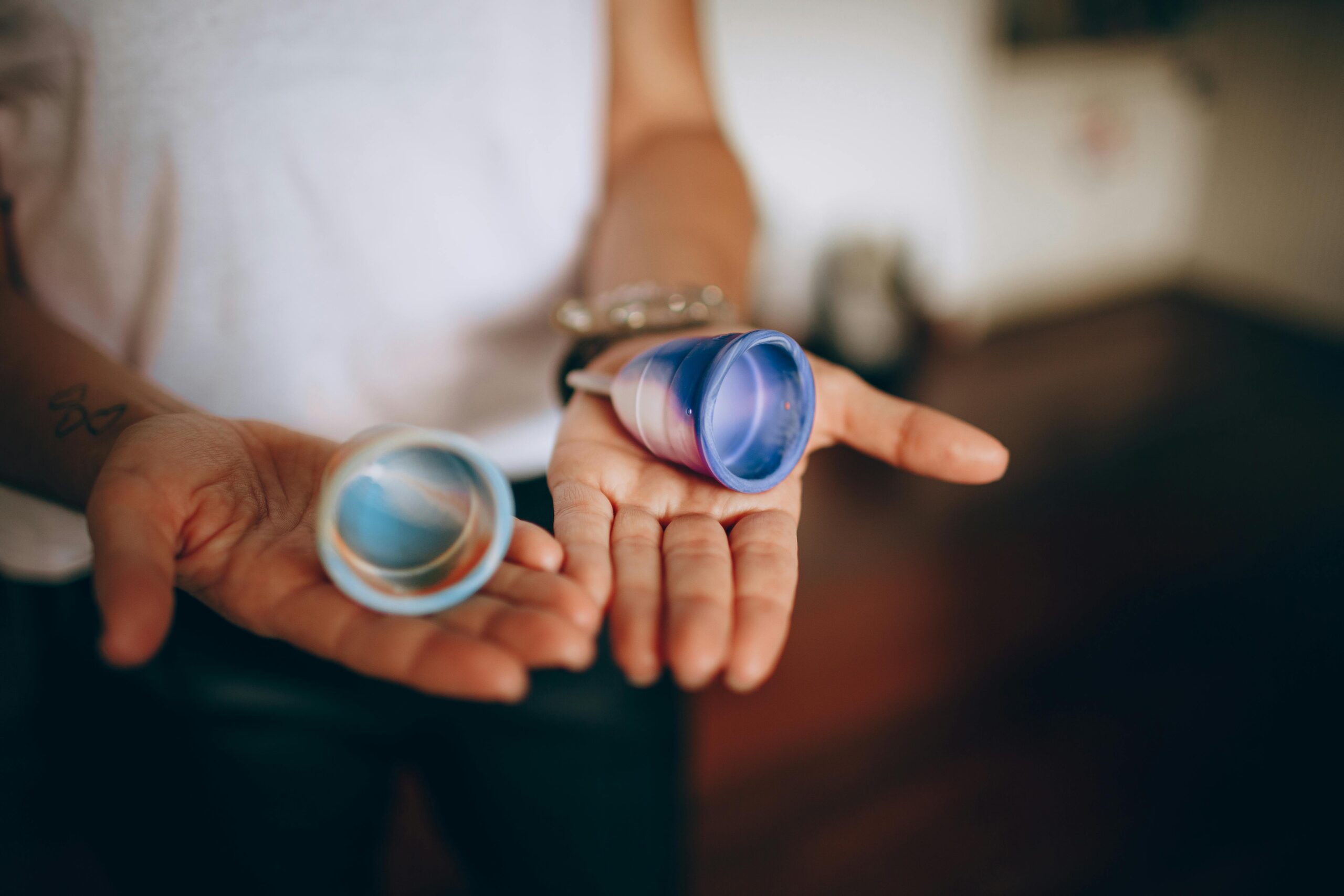
Menstrual health has become an important aspect of overall well-being, and tracking cycles is now recognized as an essential tool for women of all ages. In 2026, advances in digital health, wearable devices, and mobile apps have transformed the way women monitor their cycles. Understanding menstrual patterns helps with fertility awareness, early detection of hormonal imbalances, and better management of symptoms such as cramps, mood swings, and irregular bleeding. Accurate tracking empowers women to make informed decisions about lifestyle, nutrition, and healthcare interventions. Moreover, it fosters awareness about reproductive health and reduces anxiety related to unexpected periods.
Historically, menstrual tracking relied on manual calendars and personal observations. While these methods remain effective, modern tools provide precision and predictive insights. Today, apps can estimate ovulation, fertile windows, and upcoming periods based on prior cycles. Smart wearable devices can monitor basal body temperature, heart rate variability, and sleep patterns, correlating these data points with hormonal fluctuations. These technological developments have made menstrual health tracking more accessible, reliable, and informative for women seeking personalized health insights.
The benefits of menstrual tracking extend beyond cycle prediction. Women who track their periods gain awareness of irregularities, which can indicate polycystic ovary syndrome (PCOS), thyroid issues, or stress-related disruptions. It also aids in planning for pregnancy by identifying fertile days and ovulation patterns. Tracking symptoms such as cramps, bloating, mood swings, or breast tenderness allows women to manage discomfort proactively through diet, exercise, and stress reduction techniques. Tracking also supports conversations with healthcare providers, providing objective data that improves diagnosis and treatment accuracy.
Digital Tracking Tools and Apps
In 2026, digital menstrual tracking apps dominate the market, offering detailed features for cycle tracking and health monitoring. These apps allow users to log menstruation dates, flow intensity, symptoms, mood changes, and lifestyle habits such as sleep and exercise. Artificial intelligence and machine learning algorithms analyze historical data to predict future cycles, ovulation, and fertile windows with increasing accuracy. Some apps even provide reminders for medication, birth control, or ovulation tests. Integration with wearable devices further enhances the tracking experience by combining physiological data with manual symptom logging.
Security and privacy are top priorities in 2026. Leading apps offer end-to-end encryption and allow users to control data sharing. Many apps provide educational content about menstrual health, fertility awareness, nutrition, and stress management. Some platforms connect users with healthcare providers, allowing real-time consultation based on tracked data. For women with irregular cycles, the predictive algorithms can detect patterns that manual calendars may miss, helping them understand underlying causes and enabling targeted lifestyle or medical interventions.
Wearable Devices and Physiological Monitoring
Wearable technology has revolutionized menstrual health tracking. Devices such as smart rings, fitness trackers, and smartwatches now include sensors for basal body temperature, heart rate variability, and sleep quality, all of which fluctuate with hormonal cycles. Continuous monitoring allows women to gain a more comprehensive view of how their cycles affect physical performance, energy levels, and mood. Basal body temperature spikes during ovulation can be detected automatically, providing accurate fertile window prediction for those trying to conceive.
Wearables also support lifestyle adjustments. By correlating cycle phases with activity and sleep patterns, women can optimize workout routines, rest periods, and nutritional intake. Some devices send alerts for potential cycle irregularities, prompting users to consult healthcare providers before symptoms worsen. Integration with mobile apps ensures all data is centralized, making it easier to review trends over months or years. In 2026, this combination of wearable monitoring and app analytics has become the gold standard for women seeking personalized menstrual insights.
Symptom Logging and Lifestyle Integration
Alongside technological tools, manual symptom logging remains valuable. Women can track daily physical and emotional changes, such as cramping, bloating, headaches, fatigue, and mood swings. This qualitative information complements quantitative data from apps and wearables, providing a holistic view of menstrual health. Identifying recurring patterns helps in planning daily activities, nutrition, and stress management strategies. For example, women may notice increased fatigue before menstruation and adjust workloads or prioritize rest during this time.
Lifestyle adjustments based on tracking can significantly reduce menstrual discomfort. Diet plays a role; increased intake of magnesium, iron, omega-3 fatty acids, and hydration can alleviate cramps and bloating. Regular physical activity, yoga, and meditation support hormonal balance and stress reduction. Sleep patterns, often affected by hormonal changes, can be optimized using wearable insights. By combining symptom tracking with lifestyle modifications, women can proactively manage menstrual health, improve productivity, and reduce the risk of chronic conditions like PCOS or endometriosis.
Predictive tracking also supports family planning and fertility awareness. Couples trying to conceive can identify optimal fertile windows, while women seeking contraception can monitor ovulation to plan accordingly. For women undergoing fertility treatments, accurate tracking provides valuable insights for timed interventions. In addition, tracking long-term trends in cycle length, flow, and symptoms helps identify early signs of reproductive or hormonal disorders. Early detection improves outcomes and allows for more targeted interventions.
Privacy-conscious women increasingly rely on encrypted platforms and local storage options to maintain confidentiality. In 2026, tracking tools emphasize personalization, allowing users to select which symptoms, health metrics, and lifestyle factors are logged. AI-driven reminders and predictive analytics support informed decision-making, while community forums and educational content enhance knowledge about menstrual health. The combination of technology, lifestyle management, and education makes modern menstrual tracking a comprehensive solution for reproductive wellness.
In conclusion, menstrual health tracking in 2026 combines traditional observation with cutting-edge digital tools, wearable devices, and lifestyle integration. Accurate tracking empowers women to understand their cycles, manage symptoms, plan for fertility, and detect irregularities early. By logging physiological changes, symptoms, and lifestyle factors, women gain a holistic view of reproductive health. Modern tools provide predictive analytics and personalized recommendations, making menstrual health tracking an essential practice for women seeking informed, proactive, and healthy lifestyles. With consistent monitoring, education, and lifestyle adjustments, menstrual health tracking supports not only reproductive wellness but overall physical and emotional well-being throughout life.