
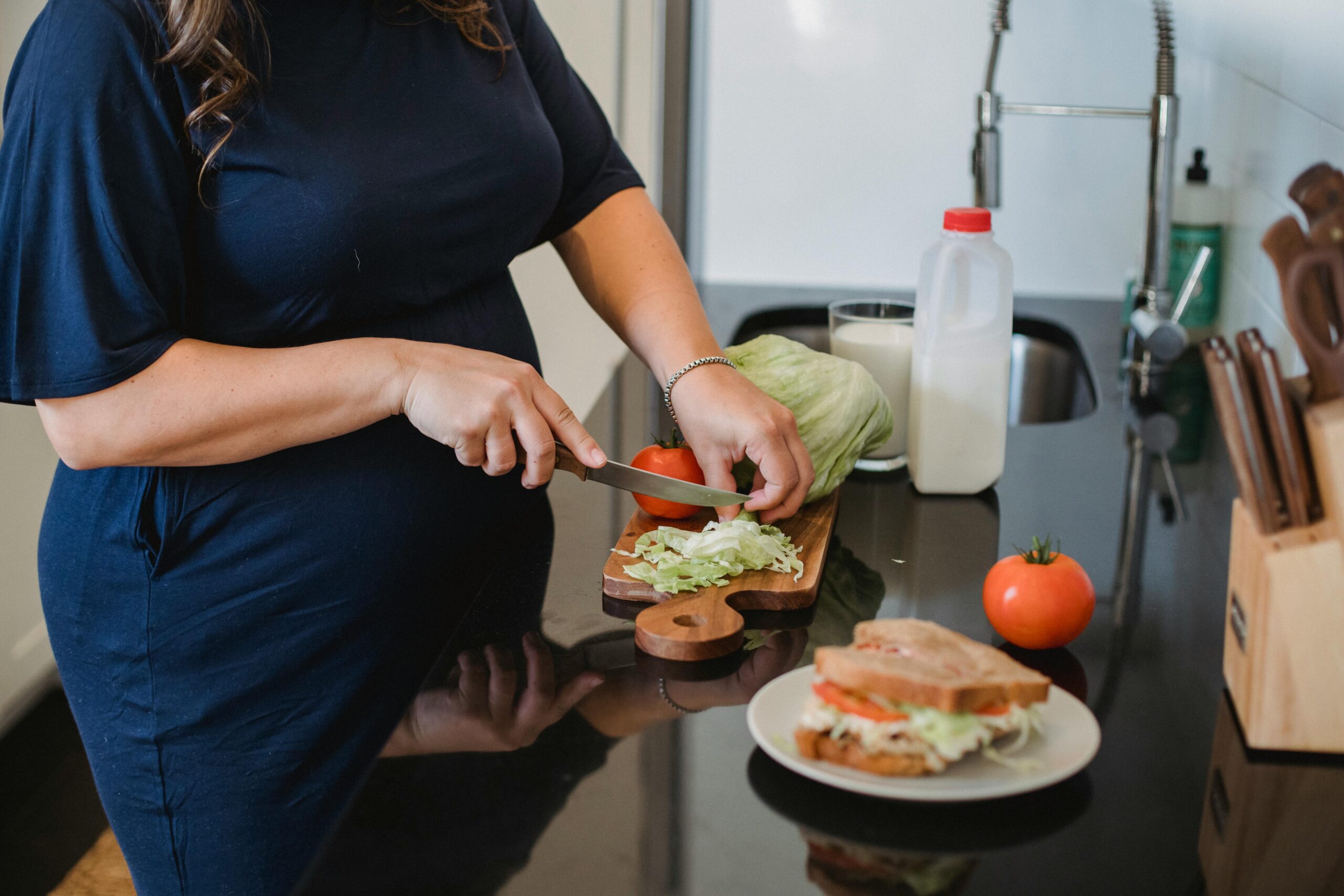
Pregnancy is one of the most important stages in a woman’s life, and the food she eats plays a central role in shaping her health and the future well-being of her baby. In 2026, nutrition during pregnancy is better understood than ever before, with research showing how every vitamin, mineral, and food choice affects fetal development. A balanced diet helps reduce complications, supports the rapid growth of the baby, and strengthens the mother’s immune system. Expectant mothers need extra energy, quality protein, healthy fats, and a wide range of micronutrients to support major physiological changes. A well-planned daily diet not only ensures healthy growth but also protects against anemia, gestational diabetes, and premature birth.
Pregnant women often hear conflicting advice about what to eat and what to avoid. Friends, relatives, and online sources frequently share tips, many of which may be outdated or incorrect. In 2026, modern guidelines are clearer, evidence-based, and focused on safer food patterns rather than extreme restrictions. The goal is not to “eat for two” but to nourish wisely and consistently. Quality matters far more than quantity. Women who make conscious food choices experience better energy levels, fewer digestive problems, and healthier weight gain. Nutrition also influences sleep, mood, and hormonal balance during pregnancy.
The baby’s brain, organs, muscles, and bones form rapidly from the mother’s nutritional supply. Essential nutrients such as folic acid, DHA, protein, iron, calcium, and vitamins are required every day for healthy development. Even small deficiencies during key developmental windows can affect lifelong health. Therefore, mothers are encouraged to begin planning their diet early—ideally even before conception. Thankfully, increased awareness, mobile health apps, and nutrition counseling services make it easier to follow personalized diet plans.
Key Nutrient Needs for Pregnant Women
Protein is crucial for building muscles, tissues, enzymes, and hormones for both mother and baby. Doctors recommend consuming high-quality protein sources daily, including poultry, eggs, beans, lentils, dairy, tofu, fish, and nuts. These foods also provide iron and essential amino acids. Carbohydrates offer energy, and whole grains such as oats, brown rice, quinoa, and whole wheat provide important fiber to prevent constipation, which is common during pregnancy. Healthy fats from nuts, avocados, olive oil, and seeds support hormone production and brain development of the fetus. Pregnant women should focus on omega-3 fatty acids like DHA, commonly found in salmon, sardines, flaxseeds, and chia seeds.
Folic acid is considered the most important vitamin in early pregnancy because it prevents neural tube defects. Women are advised to consume folate-rich foods such as spinach, oranges, beans, and fortified cereals, alongside prescribed supplements. Iron supports blood production and prevents anemia, a common condition during pregnancy that leads to weakness and fatigue. Foods like spinach, red meat, beans, and dried fruits supply iron, and combining them with vitamin C-rich foods increases absorption. Calcium strengthens bones and teeth and supports fetal skeletal development. Dairy products, fortified plant milks, leafy greens, and sesame seeds are excellent sources.
Hydration is equally important. Blood volume increases during pregnancy, and the mother requires more water to support digestion and amniotic fluid production. Drinking 8–10 glasses of water daily helps prevent headaches, dizziness, and urinary infections. Fluids such as coconut water, soups, herbal teas, and diluted fruit juices are encouraged. Sugary sodas and energy drinks, however, should be avoided because they offer empty calories and may contribute to excessive weight gain.
Daily Diet Plan for Each Trimester
A pregnant woman’s body changes dramatically across the three trimesters, and nutritional goals evolve accordingly. The first trimester focuses on stabilizing nausea, maintaining energy, and supporting neural development. Many women struggle with morning sickness and appetite changes. Eating small frequent meals can help. Ginger tea, crackers, bananas, yogurt, and broths are easier to tolerate. Folate-rich foods and light snacks prevent dizziness. While calorie needs do not increase dramatically, nutritional density remains essential.
In the second trimester, the baby begins rapid growth, and appetite generally improves. Mothers need additional calories from wholesome foods. A good daily pattern may include whole-grain breakfast options like oatmeal with nuts, a protein-rich lunch with vegetables, and a balanced dinner with lean chicken, lentils, or tofu. Calcium and iron become especially important in this period. Many women also begin experiencing heartburn, so eating smaller meals and avoiding spicy and fatty foods before bedtime reduces discomfort. Omega-3 supplementation is often recommended for brain development.
The third trimester demands the most energy. The baby gains weight quickly, and the mother’s body prepares for labor. Protein intake should be slightly increased, and hydration becomes more critical. Iron levels need monitoring because expanding blood volume strains maternal stores. Foods rich in magnesium, such as leafy greens and seeds, support muscle function and may help reduce leg cramps. Fiber should not be ignored because constipation often worsens in late pregnancy. A balanced plate at every meal ensures sufficient fuel for both mother and baby without causing bloating.
Foods to Avoid and Safety Precautions
Pregnant women need to stay cautious about foodborne risks. Soft unpasteurized cheeses, raw fish, undercooked meat, and raw eggs should be avoided because they may contain harmful bacteria. High-mercury fish such as swordfish and king mackerel are restricted because mercury affects brain development. Caffeine intake should be controlled, ideally staying under recommended limits. Herbal teas should be reviewed carefully because some herbs may trigger contractions or affect nutrient absorption.
Processed foods, deep-fried snacks, sugary desserts, and fast food may cause excessive weight gain, gestational diabetes, and nutritional imbalance. Packaged snacks often contain preservatives and unhealthy fats that provide little benefit. Salty foods should be limited to reduce water retention and swelling. Artificial sweeteners have mixed research results, so moderation is encouraged. Alcohol is strictly prohibited during pregnancy because even small amounts can affect fetal development and neurological outcomes.
Food hygiene is another essential precaution. All fruits and vegetables should be washed thoroughly to prevent pesticide exposure. Meat must be cooked well, and cutting boards separated to avoid cross-contamination. Eating small meals throughout the day instead of large heavy meals keeps blood sugar stable and reduces digestive discomfort. Women should trust their appetite signals but choose whole foods over processed alternatives whenever possible. Listening to professional advice instead of myths helps avoid confusion.
Lifestyle Habits That Support a Healthy Pregnancy
Diet alone does not guarantee a healthy pregnancy. Lifestyle choices such as sleep, exercise, stress control, and prenatal care complete the wellness picture. Regular physical activity improves circulation, reduces lower back pain, supports a healthy mood, and prepares the body for labor. Gentle exercises like walking, stretching, and prenatal yoga are safe for most women. Hydration during exercise is essential to prevent overheating and fatigue. Rest is another vital factor, as lack of sleep affects hormones and increases stress.
Mental well-being is crucial throughout pregnancy. Hormonal changes often affect mood, and stress influences appetite and digestion. Mindfulness practices, breathing exercises, and emotional support from family help mothers stay calm. Pregnant women should set routines that allow time for naps, reading, or quiet relaxation. Extended sitting should be avoided because it increases swelling and discomfort. Regular medical checkups ensure that mother and baby are progressing normally. Blood pressure, iron levels, and fetal growth require routine monitoring.
Modern healthcare emphasizes personalized nutrition. Not all women gain weight at the same rate. Some may experience nausea for months, while others may struggle with increased cravings. Doctors may recommend supplements like prenatal vitamins, DHA, iron, and calcium based on individual needs. In 2026, telehealth consultations help women in remote areas seek nutrition advice without hospital visits. Online pregnancy classes have also become common, offering diet charts, recipes, and guidance tailored to local ingredients.
Pregnancy is not a time for extreme dieting or strict weight control. The goal is balanced nourishment. Weight gain is natural and necessary, but should come from healthy foods rather than processed calories. Women advised by their doctors can safely manage pregnancy complications such as gestational diabetes or anemia through monitored diets rather than panic. Ultimately, every woman’s pregnancy journey differs, and the body adapts remarkably when given the right nutrients.
The connection between maternal nutrition and long-term child health continues to grow stronger. Studies show that babies born to well-nourished mothers have stronger immunity, healthier birth weights, and fewer developmental complications. Their early nutrition sets a foundation for brain development, metabolism, and future health. Mothers who eat balanced meals and stay active are also more likely to recover quickly after childbirth. Nutrition education empowers families to make informed decisions that benefit the next generation.
In conclusion, a healthy pregnancy relies on consistent and mindful eating, proper hydration, safe food choices, and supportive habits. Expectant mothers should focus on nutrient-rich foods rather than calorie counting, and include plenty of fruits, vegetables, proteins, and whole grains. With proper awareness and access to guidance, it is easier than ever in 2026 to maintain a pregnancy diet that supports both mother and baby. Eating smart today nourishes life tomorrow, and every meal becomes an opportunity to shape a healthy future.